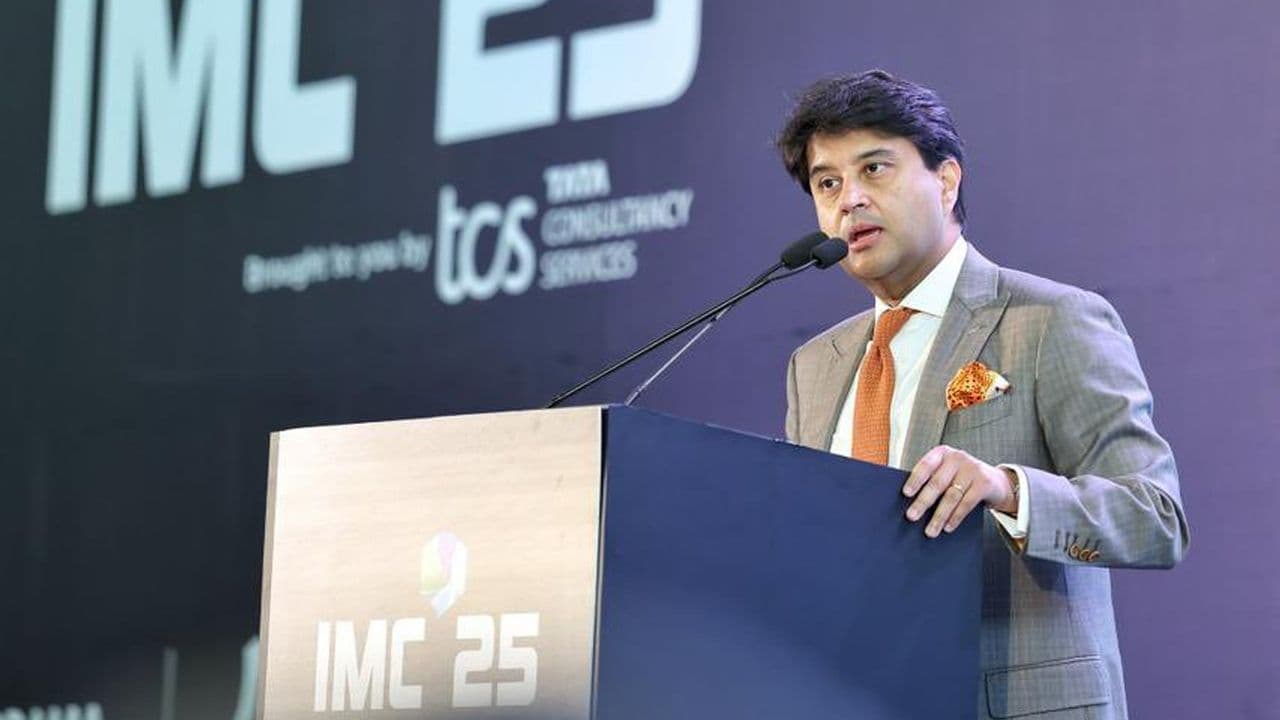
New Delhi: India’s ambitions in next-generation telecommunications are gaining momentum, with the Bharat 6G Alliance establishing a portfolio of 7,700 patents, including 4,400 international patents, Union Communications Minister Jyotiraditya Scindia said on Thursday.
Addressing the India Mobile Congress 2026, Mr. Scindia said the event should evolve beyond being a showcase of domestic achievements and become a global platform highlighting India’s technological capabilities.
He said India had the talent, scale and determination needed to expand its technology footprint internationally. “We have the manpower, mobility and mindset to take this momentum beyond boundaries,” he said.
From global technology consumer to technology exporter
Mr. Scindia said India’s digital transformation over the past decade had created a strong foundation for the next phase of growth.
Broadband subscriptions, he noted, have risen from about 60 million a decade ago to more than 1.1 billion, while India has emerged as one of the world’s most affordable data markets.
The Minister said the focus should now move towards taking Indian technology and innovation to international markets.
“The first decade brought the world to India. The next decade must take India to the world,” he said.
The Bharat 6G Alliance, which brings together 90 institutions and works with international partners, is expected to play a key role in India’s efforts to develop and deploy next-generation telecom technologies.
PLI gives manufacturing a boost
Mr. Scindia also highlighted the role of the government’s production-linked incentive scheme in expanding domestic manufacturing of mobile phones and technology equipment.
According to the Minister, the scheme helped India move into the ranks of the world’s top four technology equipment producers within 22 months.