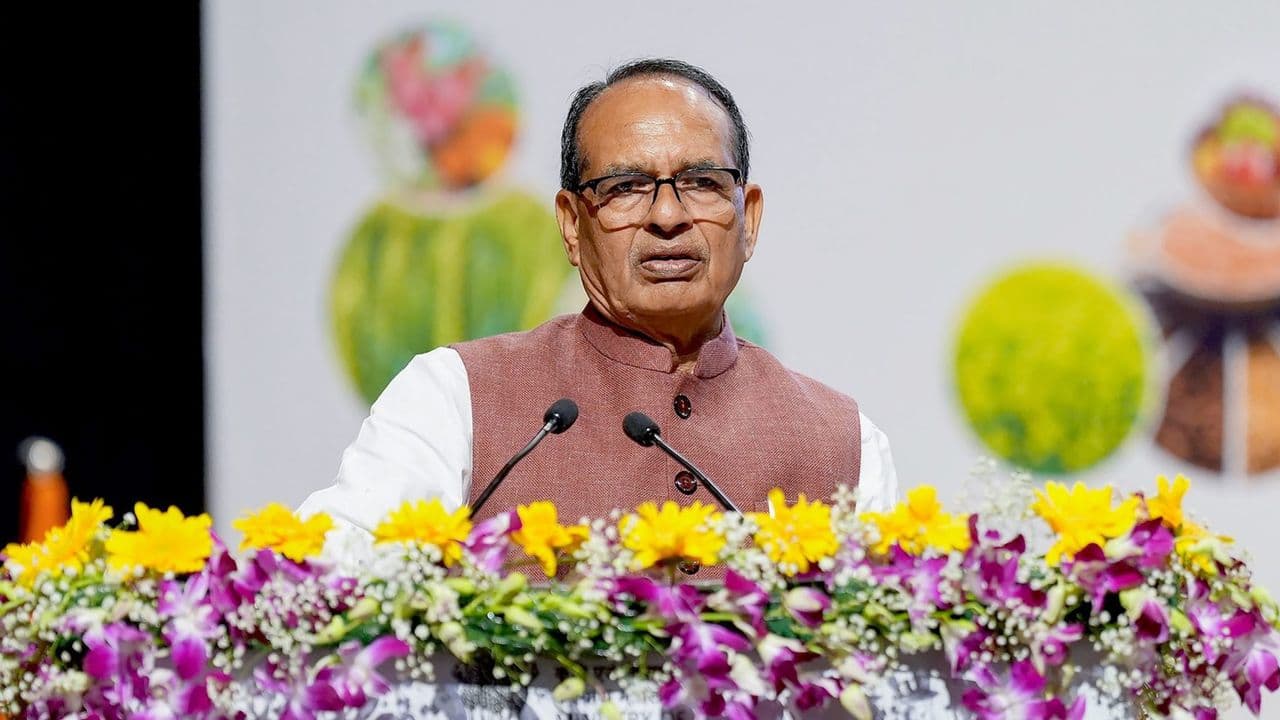
India is set to take a major step towards strengthening its poultry disease-control capabilities with the launch of its first indigenously developed vaccine against the H5N1 bird flu virus. Union Agriculture and Farmers Welfare Minister Shivraj Singh Chouhan will dedicate the vaccine to the nation on November 20, 2026, at the ICAR-National Institute of High Security Animal Diseases (ICAR-NIHSAD) in Bhopal.
Developed by ICAR-NIHSAD, the inactivated vaccine is specifically designed to protect chickens against the H5N1 Highly Pathogenic Avian Influenza (HPAI) virus belonging to Clade 2.3.2.1a. The development is expected to strengthen India's preparedness to tackle bird flu outbreaks and reduce the economic burden on poultry farmers.
Bird flu, a highly contagious viral disease affecting poultry, can cause mortality rates approaching 100 per cent among infected birds. Outbreaks often result in large-scale culling, restrictions on poultry trade and substantial financial losses for farmers. The consequences extend across the poultry value chain, affecting the availability and prices of poultry products as well as the livelihoods of those dependent on the sector.
Since the disease was first detected in India in 2006, the country has reported more than 500 combined outbreaks involving H5N1 and H5N8 subtypes. The economic impact of such outbreaks can be significant. The 2006 outbreak alone caused estimated direct and indirect losses of Rs 2,200 crore to Rs 3,000 crore. A bird flu outbreak in Manipur also resulted in losses equivalent to 0.5 per cent of the state's Gross Domestic Product.
The potential threat extends beyond the poultry industry. Estimates suggest that a major outbreak could affect India's GDP growth by up to 1.5 per cent, while more than 20 per cent of the country's poultry population could be at risk if the virus spreads without effective control measures.
Bird flu is also a public health concern because certain strains of the virus can infect humans. According to the World Health Organization, 1,003 human cases of H5N1 avian influenza, including 479 deaths, had been reported across 25 countries, including India, since 2003.
The H5N1 strain belonging to Clade 2.3.2.1a has been identified as a major cause of bird flu outbreaks in chickens. In recent years, infections involving this strain have also been detected in several animal species, including mammals, along with three reported human cases.
Against this backdrop, the indigenous vaccine is expected to address a critical gap in India's disease-prevention framework. With no specific commercial vaccine currently available against the H5N1 virus of Clade 2.3.2.1a, the ICAR-NIHSAD-developed vaccine is intended to provide protection against strains circulating in the country.
The development marks an important milestone in India's efforts to strengthen domestic veterinary research, protect poultry farmers' livelihoods and improve preparedness against emerging animal diseases. It also highlights the role of indigenous scientific research in safeguarding animal health and reducing the risks associated with zoonotic infections.