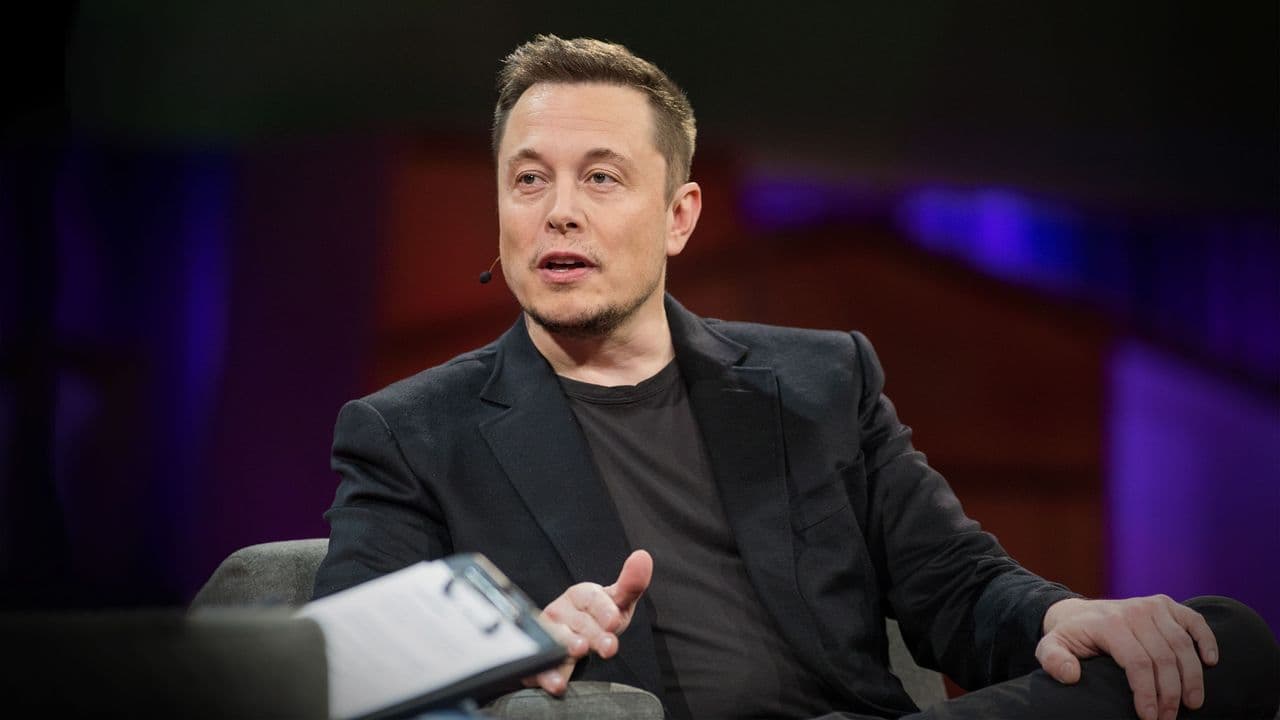
Elon Musk vs Mukesh Ambani: Elon Musk has reignited the debate over Starlink’s proposed entry into India, taking a sarcastic swipe at Reliance Industries chairman Mukesh Ambani and questioning the influence of major business groups in the country’s telecommunications sector.
In a post on X, Musk reportedly addressed Prime Minister Narendra Modi as “Prime Minister Ambani”, triggering fresh discussion about the regulatory hurdles facing Starlink’s satellite internet services in India.
The remarks come as the SpaceX-owned company continues to pursue the necessary approvals to launch commercial satellite broadband services in the country.
Musk Questions Telecom Competition in India
Musk’s latest comments have brought renewed attention to the challenges surrounding Starlink’s proposed entry into India’s expanding internet market.
The billionaire entrepreneur has positioned satellite internet as a potential solution for people living in remote and underserved areas, where conventional broadband infrastructure remains limited or difficult to deploy.
Starlink’s satellite-based technology could help improve connectivity in rural communities, expand access to online education and enable small businesses to reach customers beyond their immediate markets.
However, the company must meet India's regulatory, security and operational requirements before beginning commercial services. The delay has become a point of contention amid wider discussions about competition between satellite internet providers and established telecommunications companies.
Government Rejects Claims of Unfair Treatment
The Indian government has maintained that satellite internet operators must follow the country's established approval procedures.
Telecommunications Minister Jyotiraditya Scindia has said that India does not permit monopolies and that satellite communication providers must complete the required regulatory process.
The government's position places the focus on licensing, spectrum-related requirements, security clearances and other conditions governing satellite communications in India.
For Starlink, securing the necessary approvals is essential before it can commercially offer its services to Indian customers. The regulatory process also determines how satellite operators can function alongside existing telecom and internet service providers.
Rahul Gandhi Responds to Musk's Remarks
The controversy has also drawn in Congress leader Rahul Gandhi, adding a political dimension to the dispute.
According to the supplied account, Rahul responded to Musk's remarks with the comment, “Welcome to India, Elon. Wait till you discover the other guy.”
Musk reportedly thanked Rahul for the response and described the situation as troubling.
The exchange has widened the discussion beyond Starlink's commercial plans, bringing questions about corporate influence, government policy and competition in India's telecom sector into the political spotlight.
The comments have also provided fresh material for the Opposition to question the relationship between large business groups and the government led by Prime Minister Narendra Modi.
Social Media Debate Intensifies
Musk's remarks have generated divided reactions on social media. Some users have supported his criticism and questioned why Starlink's commercial launch has taken time, while others have challenged his approach and argued that foreign companies must respect India's regulatory framework.
The discussion reflects a broader debate over how India should balance its efforts to attract global technology companies with the need to enforce domestic laws and protect national security interests.
Supporters of satellite broadband argue that additional providers could expand internet access, particularly in areas where laying fibre-optic cables or building conventional telecom infrastructure is expensive.
Critics, meanwhile, point out that entering a large and strategically important market such as India requires compliance with licensing conditions, security safeguards and other regulatory obligations.
What Starlink's India Entry Could Mean
Starlink's proposed launch could introduce another option for consumers, businesses and institutions seeking internet connectivity, particularly in locations that remain poorly served by traditional networks.
Its eventual commercial prospects will depend on regulatory approvals, pricing, service availability and its ability to compete with existing internet providers.
For now, the dispute highlights the challenges facing global technology companies seeking to enter India's tightly regulated telecommunications market.
The debate is no longer limited to the timing of Starlink's launch. It has expanded into questions about market competition, the influence of large corporations and the conditions under which domestic and international companies operate.
Whether Musk's latest intervention changes the course of the approval process remains to be seen. The immediate focus remains on the regulatory requirements Starlink must satisfy before it can begin commercial operations in India.